How To Install Scientific Linux From Usb
Jul 17, 2012 I plan on dual-booting windows 7 and scientific linux 6.2 x64. Scientific Linux install questions. Live USB - or setup a server. Why Make Scientific Linux? Where Is Scientific Linux Running? Metrics; Community. If you would like to setup your own mirror please follow these. OSDisc.com is the leading source for Linux CDs and DVDs. Serving the Linux community for over 10 years. Don't waste time downloading Linux. Purchase ready-to-use CDs.
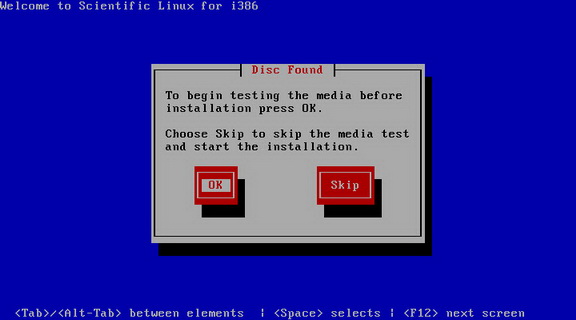
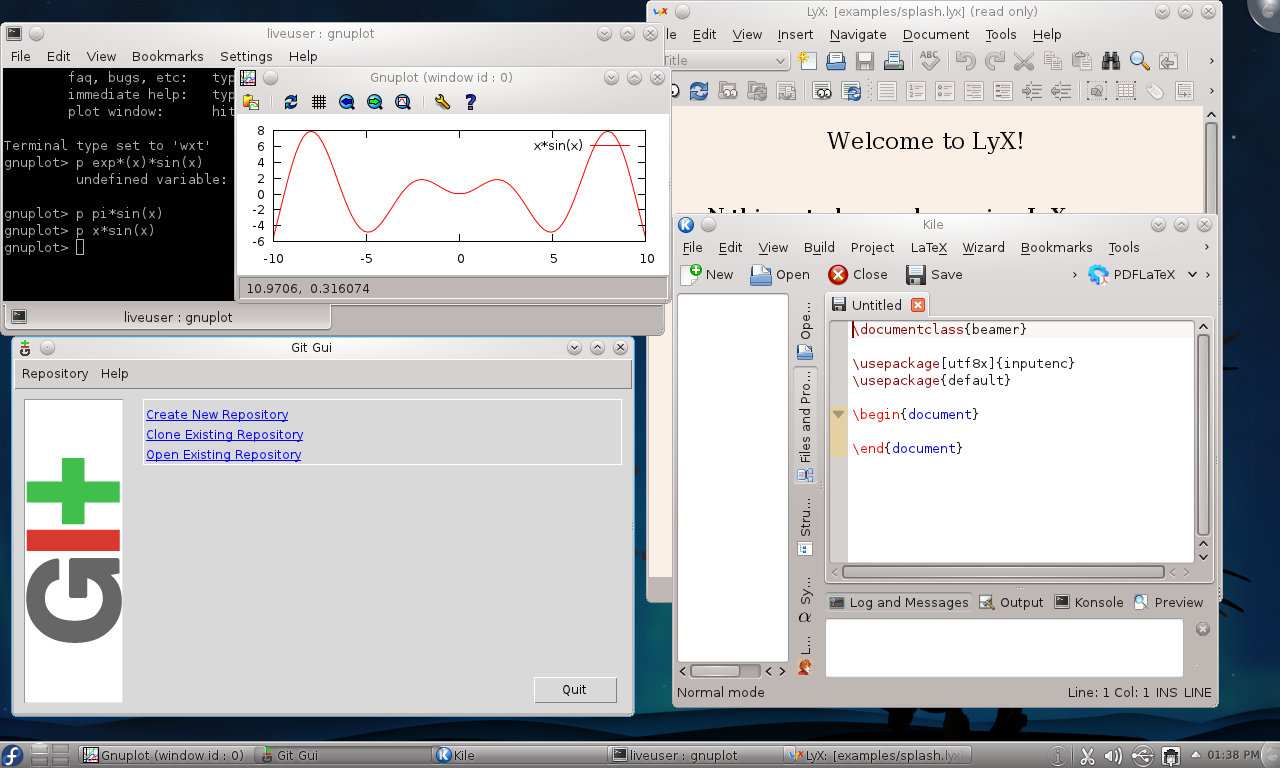
Scientific Linux ( SL) is developed by Fermi National Accelerator Laboratory and the European Organization for Nuclear Research ( CERN) and various other labs and universities around the globe. It’s a free and open source Operating System based on.
Primary purpose of Scientific Linux ( SL) is to reduce duplicate effort of the labs and to have common install base for various experimenters. In this post, we are going show you how we can install Scientific Linux 6.3 using Live.iso image file. Download Scientific Linux (SL) 6.3 ISO You may download Scientific Linux ( SL) 6.3 edition for 32-bit or 64-bit operating systems using the following download links respectively. • Download – (4.1 GB) • Download – (4.2 GB) Please visit to know more information about Scientific Linux 6.3 release note. Scientific Linux (SL) 6.3 Step by Step Graphical Installation Guide 1.
Free Vehicle Outline 2012 Chevrolet Silverado there. Insert and Boot your system with Scientific Linux Live media or.iso file of your choice and start installation process. Lets start pretty simple step by step installation of Scientific Linux.
Welcome to LinuxQuestions.org, a friendly and active Linux Community. You are currently viewing LQ as a guest. By joining our community you will have the ability to post topics, receive our newsletter, use the advanced search, subscribe to threads and access many other special features. Registration is quick, simple and absolutely free. Note that registered members see fewer ads, and ContentLink is completely disabled once you log in.
Are you new to LinuxQuestions.org? Visit the following links: If you have any problems with the registration process or your account login, please. If you need to reset your password,.
Having a problem logging in? Please visit to clear all LQ-related cookies.
Introduction to Linux - A Hands on Guide This guide was created as an overview of the Linux Operating System, geared toward new users as an exploration tour and getting started guide, with exercises at the end of each chapter. For more advanced trainees it can be a desktop reference, and a collection of the base knowledge needed to proceed with system and network administration. This book contains many real life examples derived from the author's experience as a Linux system and network administrator, trainer and consultant. They hope these examples will help you to get a better understanding of the Linux system and that you feel encouraged to try out things on your own. To receive this Complete Guide absolutely free. Hello folks I have a few questions.
I plan on dual-booting windows 7 and scientific linux 6.2 x64. I have windows 7 installed and I have now made three attempts to install SL, but all installs have failed. The installs go to completion, but I get only a Grub>prompt. Two of the three attempts have been with the installer's recommended partitioning scheme, one has been a custom scheme. Twice, I've gotten only a grub prompt, written to the MBR and I've had to use Windows recovery tools to get Windows to boot again.
Question 1: I've read that SL/Grub2 requires a /boot partition. Is this true? If so, what is the recommended size and do I need to set that partition active? Is this where I need to install grub? Question 2: Drive space is not an issue for me, and I have 4Gb of memory.
If I choose to manually partition, what should my partitions look like? My early experiences with Linux were that I'd have to have a /, /boot and a /swap. Is this still the case? The install is being done on an nvidia RAID 0 array if that matters, so the mount points look like /dev/mapper/nvidia_. Doing an 'ls' at the Grub>prompt shows (hd0,0), (hd0,1), etc.